

October 30, 2026
Share:
Living Well Through Cancer and Beyond at GenCare Point Ruston
One guest wanted to know how to find cancer early when you feel perfectly well. Another asked whether screening still matters in your 80s.
They were practical, personal questions—and exactly why we wanted to bring people together.
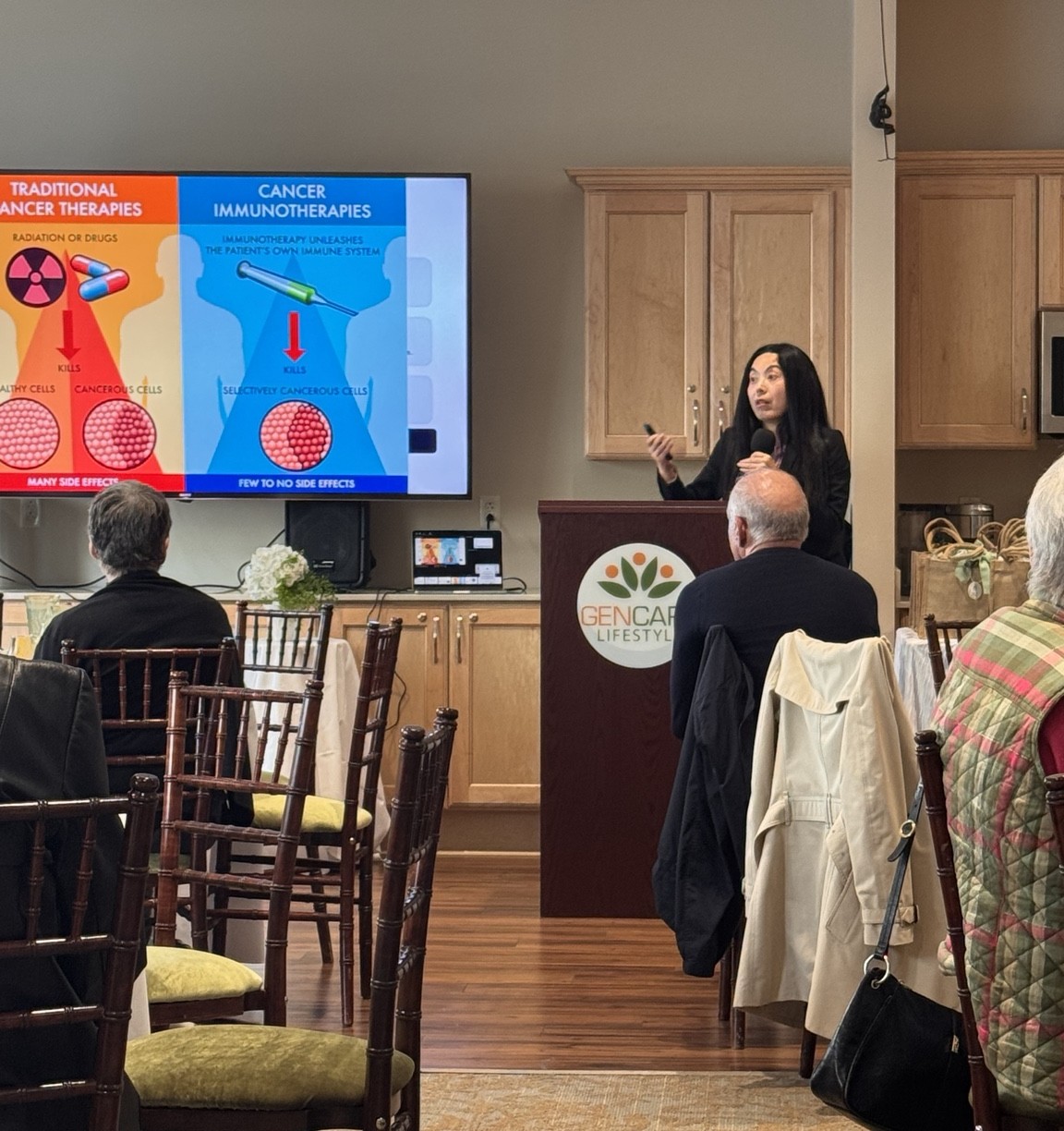
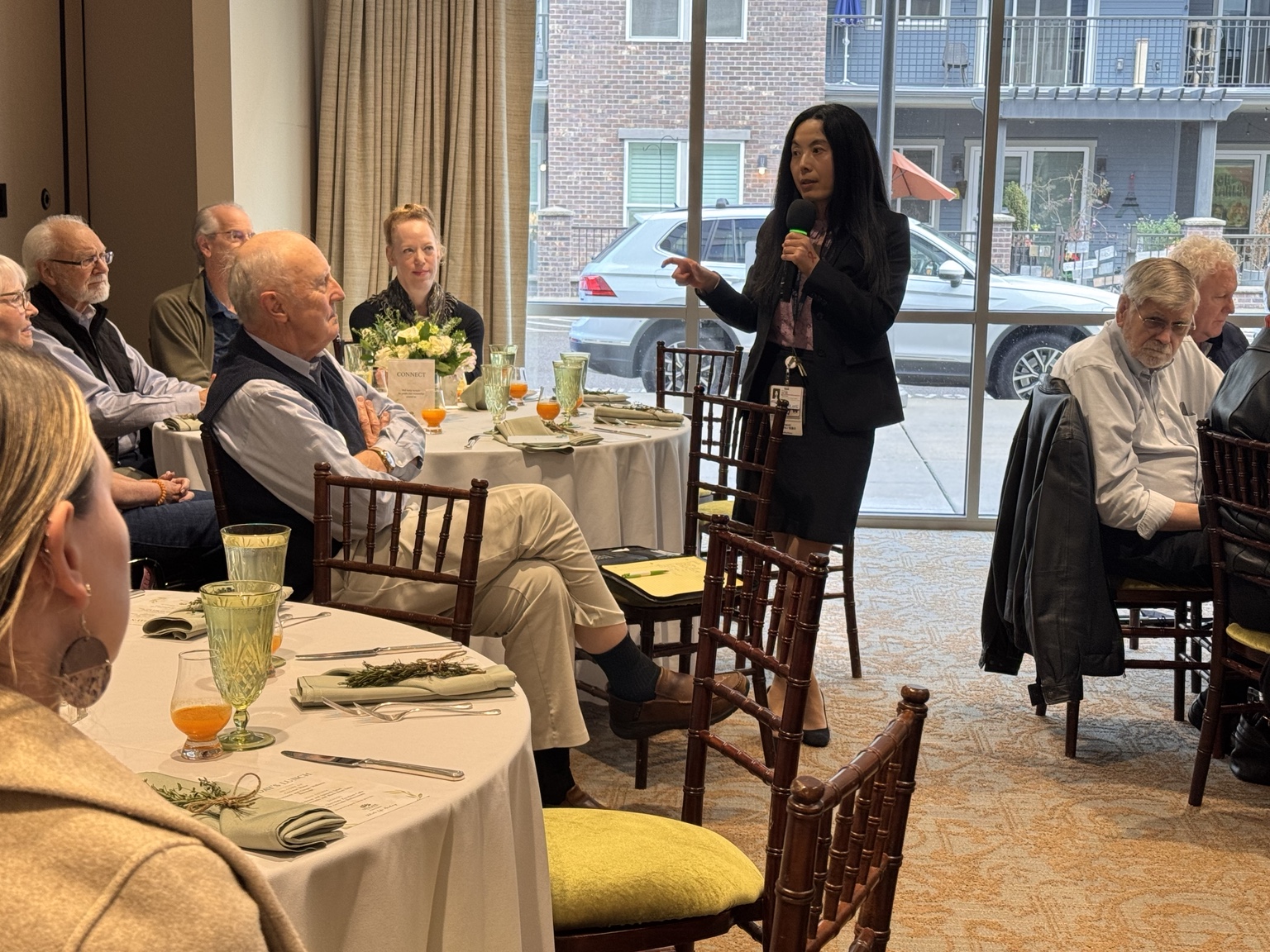
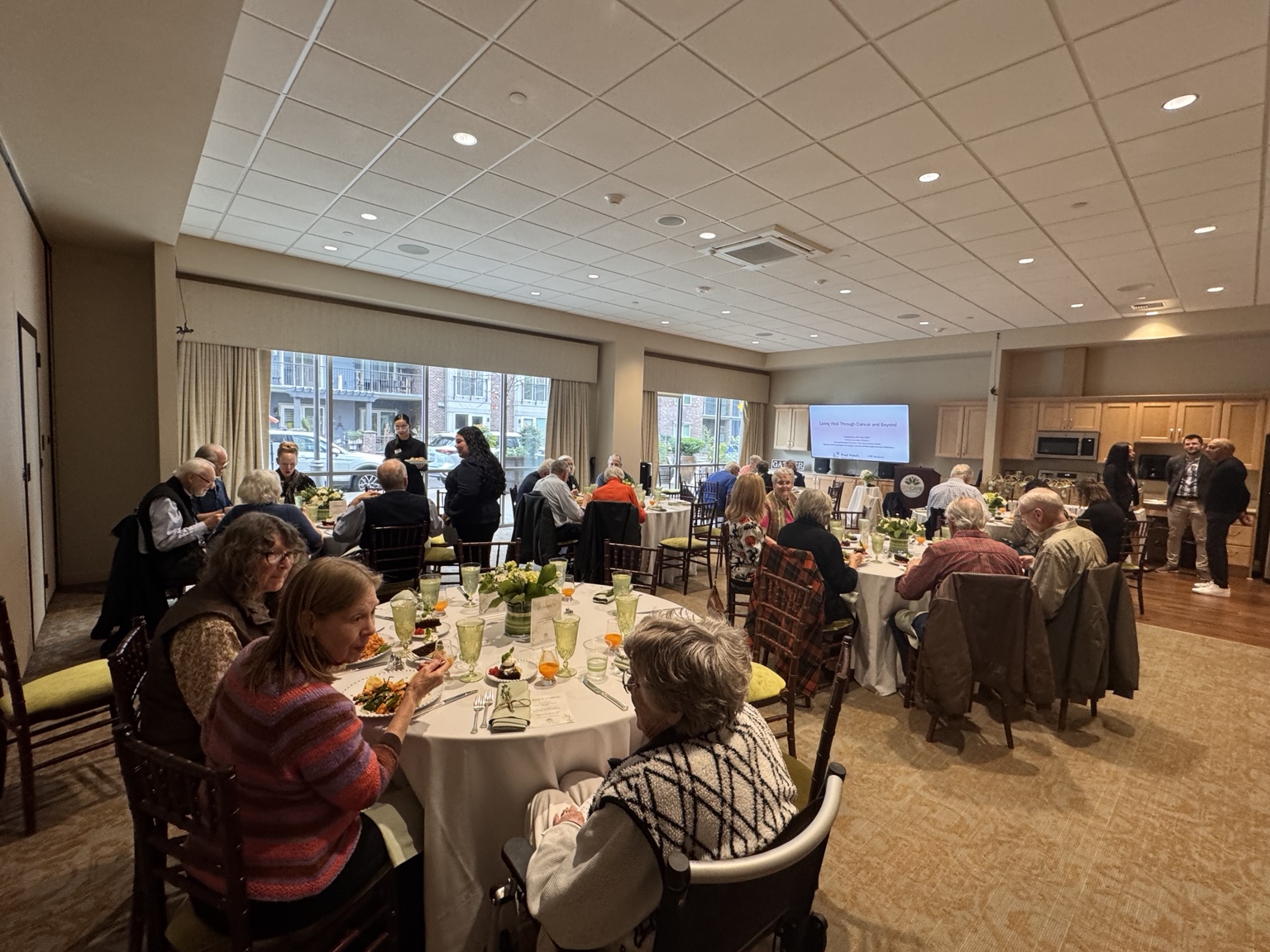
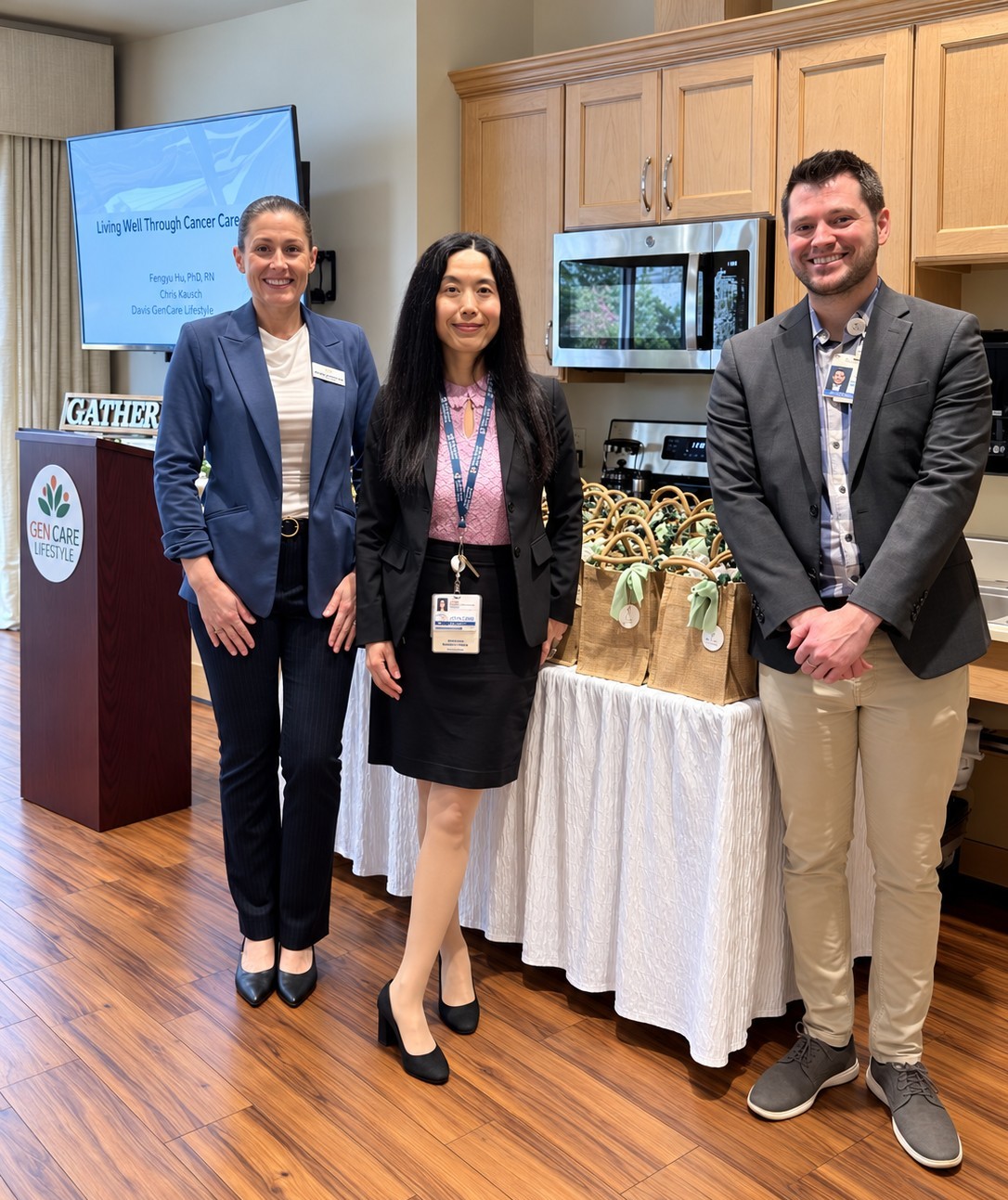
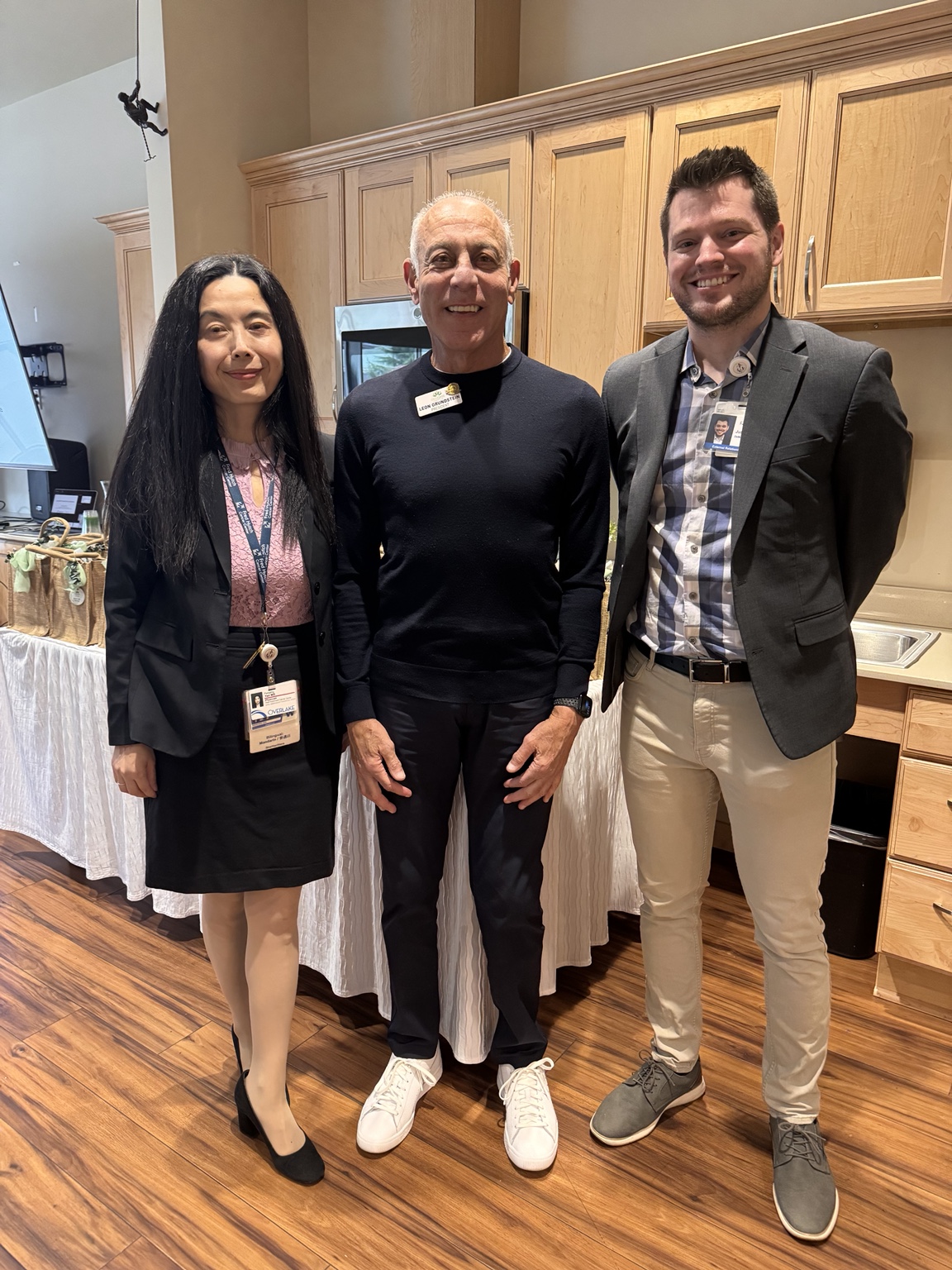
On October 26, 2026, GenCare Lifestyle at Point Ruston in Tacoma, Washington, welcomed Dr. Fengting Yan of Fred Hutch Cancer Center for Living Well Through Cancer and Beyond. Over lunch, guests heard about advances in cancer treatment, discussed early detection and asked what they could do to support their health as they age.
Dr. Yan brought warmth and candor to a subject that has touched so many families. She also brought reasons for hope.
How is cancer treatment changing?
Dr. Yan described how doctors can increasingly use information about a cancer’s specific characteristics to help choose treatment.
For some patients, that means targeted therapy directed at particular features of cancer cells. For others, immunotherapy may help the body’s immune system fight the cancer. She also explained how advances in testing are helping doctors monitor certain cancers and make more informed treatment decisions.
These options vary by cancer type and individual circumstances. But her presentation made one thing clear: the word “cancer” alone cannot tell you what someone’s treatment or future will look like.
She made that progress personal by sharing her father’s experience with lung cancer. Hearing an oncologist talk about being a daughter reminded us what these advances mean beyond the research: more time with the people we love.
What does early cancer detection mean?
During the discussion, a guest asked how someone would know to get tested without a lump or another obvious symptom.
Dr. Yan explained that cancer screening is designed for people who do not have symptoms. The appropriate tests depend on factors such as age, medical history, family history and smoking history.
Investigating a symptom is different. A new or persistent change in your health deserves a conversation with your healthcare provider, even if you are up to date on screening.
The practical takeaway: ask your doctor which cancer screenings are right for you, and bring up changes you have noticed rather than assuming they are simply part of getting older.
Dr. Yan also discussed emerging blood tests that look for signals of multiple cancers. These tests have limitations and uncertainties. They do not replace recommended screening, and deciding whether to use one calls for a discussion with your doctor.
Does cancer screening still matter for older adults?
This question drew particular interest from the room.
Dr. Yan emphasized considering the person’s overall health and circumstances when discussing screening and treatment later in life. The potential benefits, risks and individual’s preferences all deserve attention.
For older adults and their families, that was a meaningful reminder. Age alone should not end a conversation about a health concern or the options available.
There is value in asking: What could this test tell us? Would the result change my care? What matters most to me?
What everyday habits can support health?
The discussion also returned to familiar choices: moving regularly, eating nutritious meals, avoiding tobacco and limiting alcohol.
Dr. Yan spoke about getting enough protein to help maintain muscle, along with sleep and managing stress. She encouraged guests to think about the habits they can build into daily life.
Healthy habits can help reduce some cancer risks, but they cannot eliminate risk or guarantee an outcome. People receiving cancer treatment may also have different nutrition and activity needs, so individual guidance matters.
She offered another useful reminder: tell your care team about any supplements you take. Some can interfere with cancer treatment, even when they are marketed as natural or beneficial.
Bringing Whole Life Healing to life in Tacoma
At GenCare Point Ruston, this luncheon was an opportunity to make an important conversation more accessible.
Guests could hear directly from a physician, ask follow-up questions and consider what the information meant for their own lives. The thoughtful questions continued well beyond the presentation’s opening slides.
Through Whole Life Healing, part of GenCare’s Whole Life Living™ approach, we make space for education, connection and support through cancer and beyond.
Thank you to Dr. Yan for sharing her expertise so generously, to our guests for their questions, and to the Point Ruston team for the care they put into the afternoon.
To learn more about Whole Life Healing and upcoming educational events at GenCare Lifestyle, contact our community teams.
This article summarizes an educational presentation and is not individual medical advice. Speak with your healthcare provider about screening, symptoms, nutrition and treatment decisions.
- Written by Leanne Siguenza, Corporate Director of Marketing


